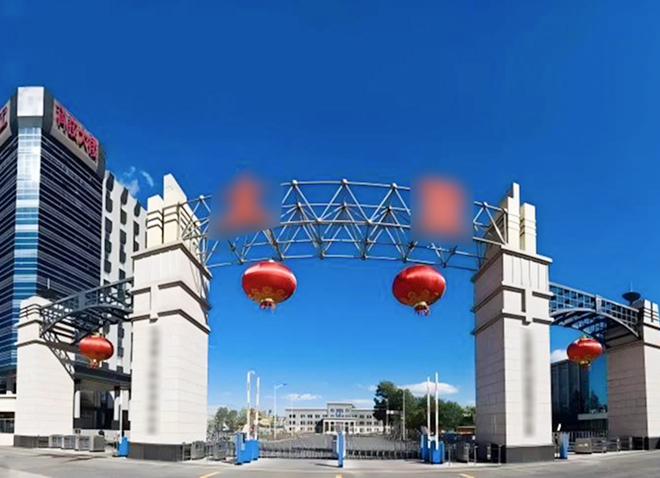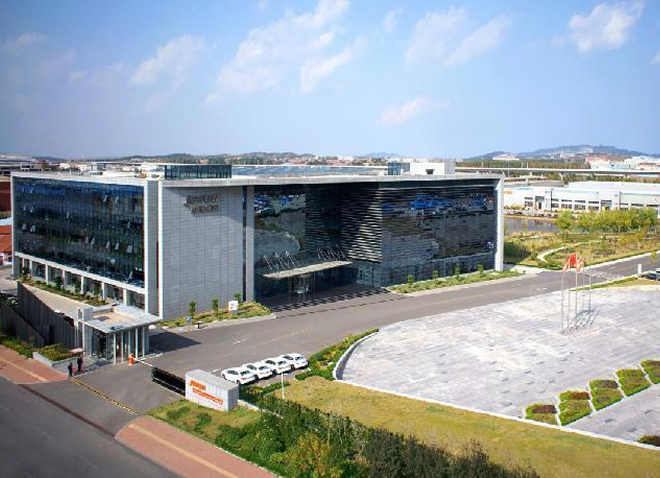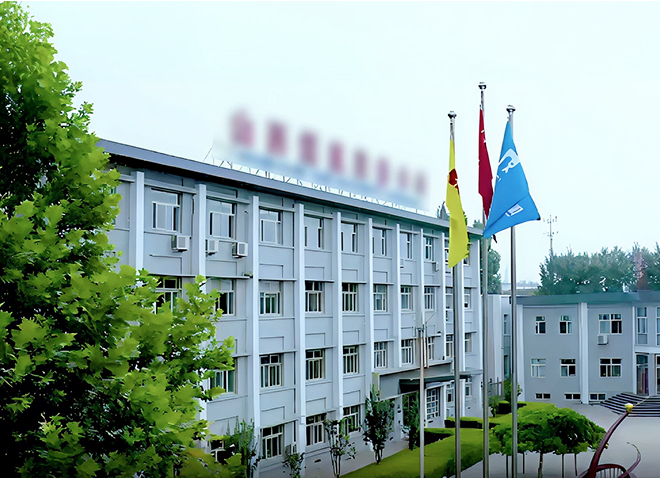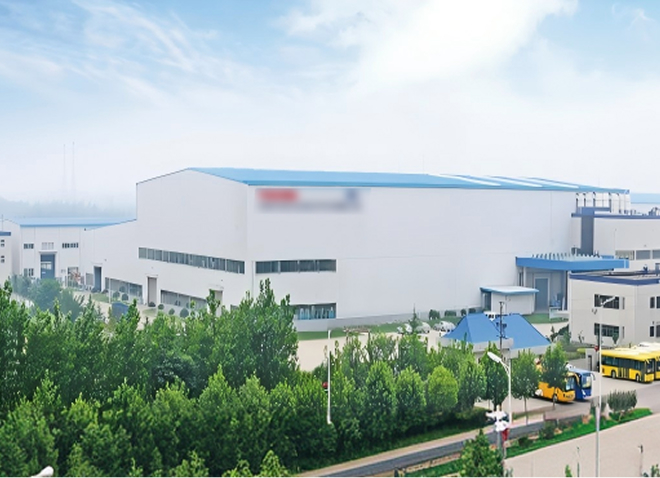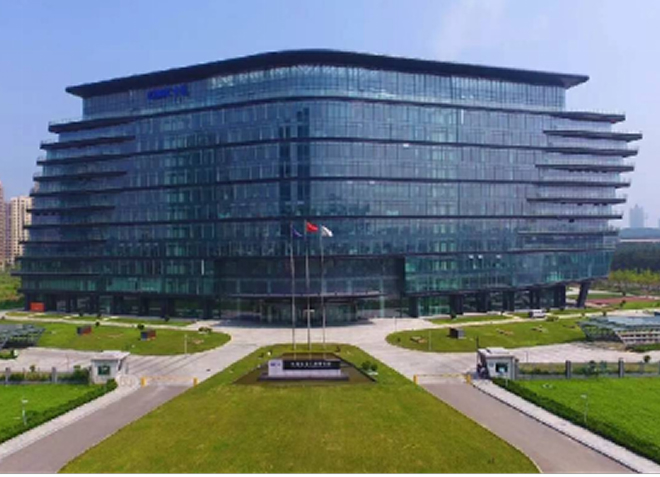
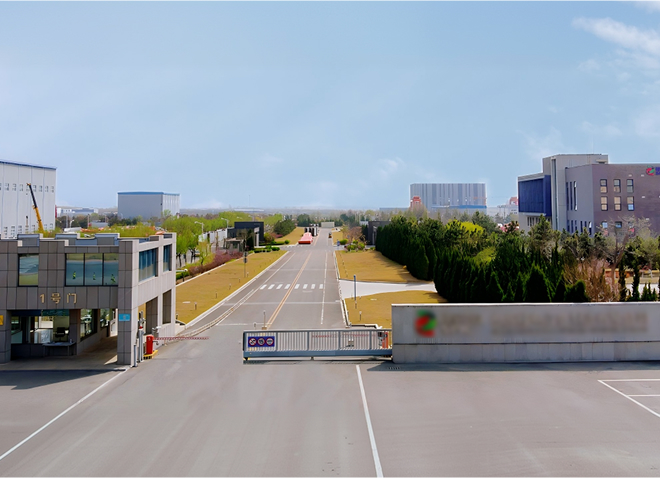

Founded in July 2007 and located in Haiyang, Shandong Province, this nuclear power equipment manufacturing enterprise is a secondary unit of SPIC and the world's first enterprise dedicated to manufacturing equipment for passive pressurized water reactor nuclear power plants. The company serves as the Civil Nuclear Safety Welding Assessment Center of the National Nuclear Safety Administration and is recognized as a National Intellectual Property Advantage Enterprise. It has also won honors such as Shandong Province's "Specialized and Sophisticated" Enterprise and High-Tech Enterprise. It holds 163 patent applications and 4 international authorized patents. The company has fully mastered the manufacturing technologies for 22 major categories of nuclear power equipment, including the world's third-generation nuclear power steel containment vessels and reactor pressure vessel integration, successfully fulfilling the localization and independent manufacturing mission for the key equipment of the world's first batch of four AP1000 nuclear power units.
Nuclear power equipment manufacturing involves complex processes and high precision requirements. Under the traditional model, planning is disconnected from execution, the production process is opaque, material transfers at key nodes lack precise control, and resource utilization efficiency is low.
Nuclear products have exceptionally stringent requirements for weld seam quality and dimensional accuracy. Traditional paper-based recording leads to delayed quality data collection and poor traceability, failing to meet nuclear safety-grade quality management standards.
Nuclear operations have strict requirements for personnel qualifications. The traditional model lacks systematic control over quality checkpoints like qualification training, operations, and reviews, posing risks of expired qualifications or operations beyond an approved scope.
While the group's ERP has achieved collaboration in backbone business processes, personalized and refined management data at the production end remains disconnected. Production and quality inspection data cannot be shared, and business processes are not standardized, affecting production efficiency and quality stability.
The lack of visual analysis tools makes it impossible to pinpoint production bottlenecks accurately. Performance indicators and continuous improvement plans lack real data support, making management methods like TPM and QC difficult to implement.
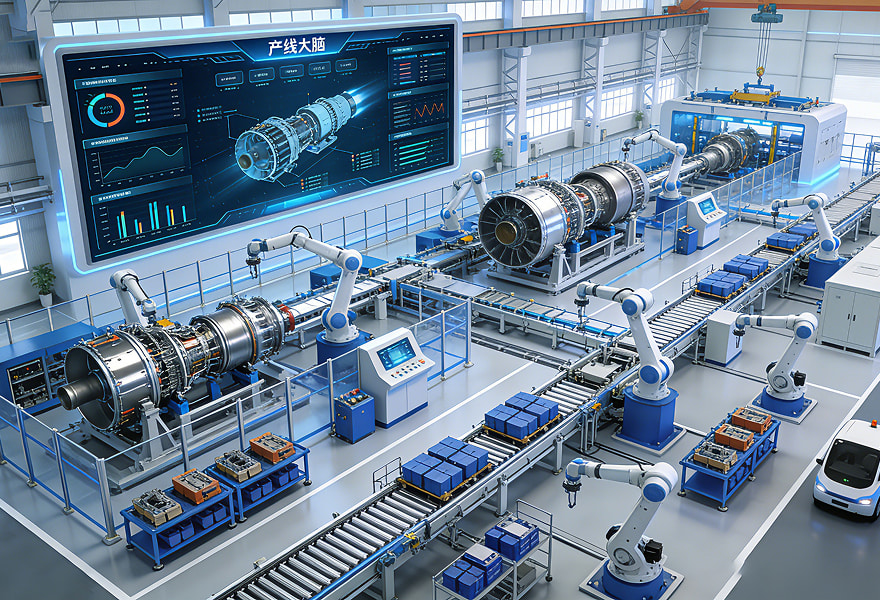

Adopts a "Three Horizontals (Data Layer, Platform Layer, Application Layer)" architecture to build an integrated digital manufacturing control platform. It deepens business applications such as the centralized production control subsystem, production management subsystem, and quality management subsystem, enhancing IT data services, application services, and platform service capabilities.
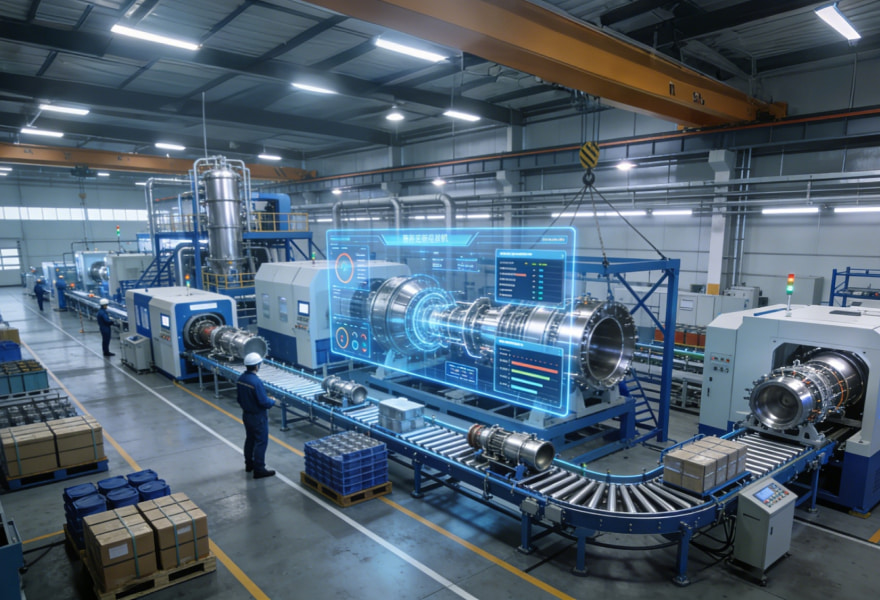
1.Networked Planning: Through the four-level linkage of project plan integration, master plan, work order plan, and process plan, it achieves networked management of planning and execution, ensuring controllable progress in nuclear power equipment production.
2.Precise Material Management: Enables material transfer control at key nodes and synchronizes warehousing data in real-time, ensuring kitting and precise delivery of production materials for nuclear power equipment.
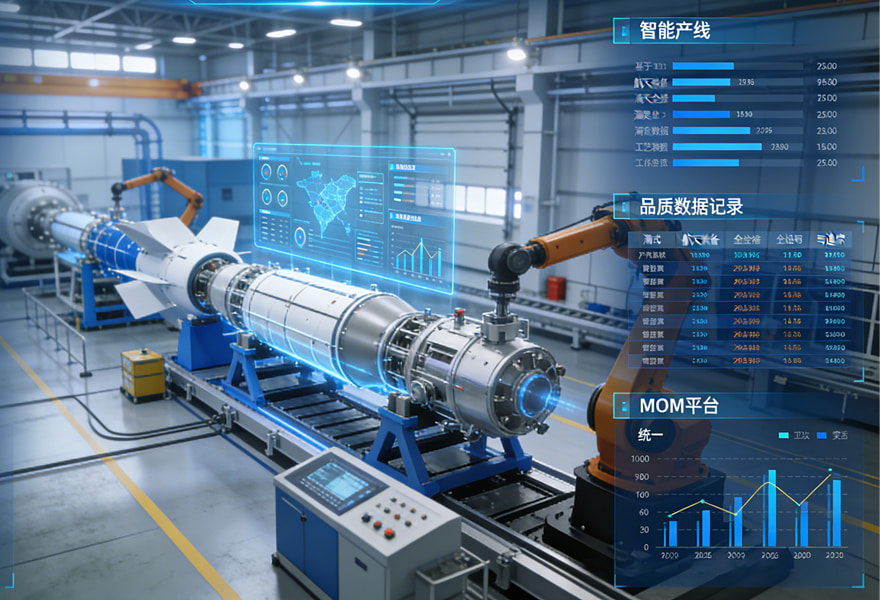
1.Full-process Quality Control: Based on the dimensional and weld quality requirements of nuclear products, it achieves real-time quality data collection and automatic report generation, meeting nuclear safety and traceability requirements.
2.Closed-loop Process Management: Realizes the integrated management of quality, processes, and production. Through process design reuse and on-site quality feedback, it forms a closed loop for quality management.
3.Personnel Qualification Control: Systematically controls quality checkpoints such as personnel qualification training, operations, and reviews to ensure the qualification compliance of nuclear operators.
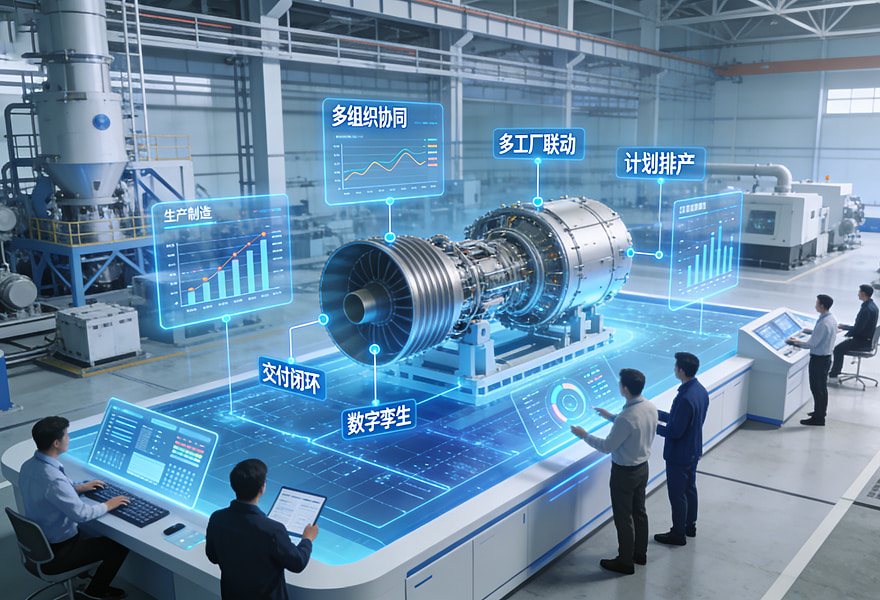
1.Process Visualization: Locates business pain points through production big data analysis, providing data support for process optimization.
2.Performance and Management Support: Derives reasonable indicators and continuous improvement plans based on actual performance data, providing data support for management methods like TPM and QC.
3.System Integration: Achieves specialized management integration for measuring instruments, NCR, NDE, etc. It connects with the group's ERP system to enable the interconnectivity of backbone business data and refined production data.