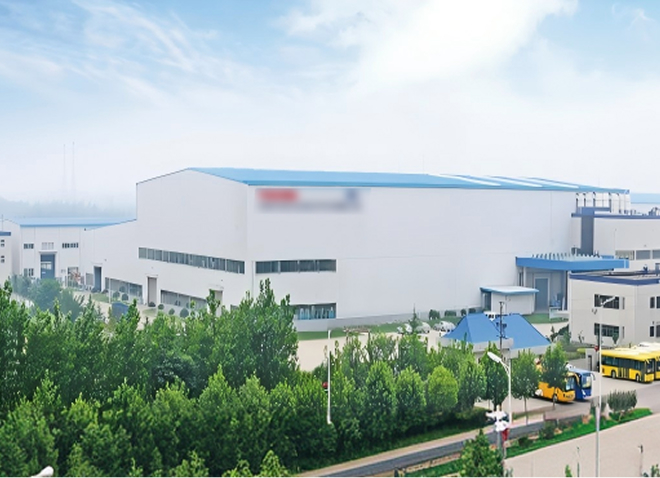

Founded in 1970, this high-voltage switchgear manufacturing enterprise under a central state-owned power equipment group is a pillar enterprise for major technical equipment in China's electrical industry. It possesses world-leading, large-scale R&D and manufacturing capabilities for high-end power equipment, as well as industry-leading capabilities in energy system integration solutions. As a national high-tech and innovative enterprise, it has been awarded numerous honors, including the National May 1st Labor Certificate and Top 100 Enterprise in China's Machinery Industry. Henan Pingzhi High Voltage Switchgear Co., Ltd., a core subsidiary of the Pinggao Group, focuses on the R&D and manufacturing of high-voltage switchgear equipment. Its products cover high-end power equipment such as GCB, DS/ES, OB, and busbars. With the increasing complexity of products and the requirements for State Grid EIP data integration, the traditional manual-driven test and quality management models can no longer meet the needs for efficient control.
There are up to 18 major categories of incoming materials. Inspections rely on manual reporting of full/sampling inspection data, which involves tedious workloads and a high reliance on experience. This makes later queries and traceability difficult, and supplier evaluation lacks effective data support.
Factory test inspection cards come in many types and cover a wide range of products, requiring extensive manual entry and confirmation. The records are tedious and complex, making queries and traceability inconvenient due to a lack of systematic management tools. Furthermore, the electronic inspection card record verification for 800kV GIS products is non-standardized, and production test data is not collected and integrated, leaving loopholes in quality management.
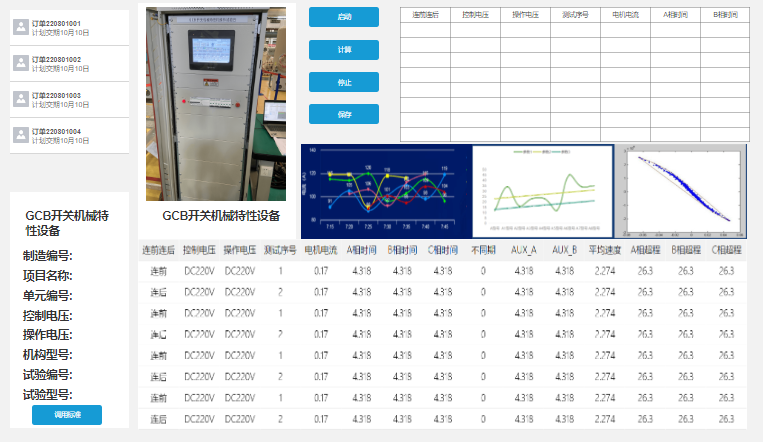
1.Data collection and statistical analysis for mechanical characteristic tests rely on standalone operations. Insulation tests depend on manual entry and confirmation, and test standards lack structurization.
2.Assembly inspection cards rely on paper circulation and are not linked to completion reporting, leading to delayed reporting which affects production plan analysis and decision-making.
3.The advancement of quality targets relies on offline management. The lack of online channels causes a lag in progress synchronization and makes it difficult to adjust deviations promptly. Inadequate statistical analysis tools for quality data and unintegrated information restrict quality management efficiency.
4.Integrated document management is cumbersome with no effective management means, failing to support the State Grid EIP data integration requirements.


1.Data Acquisition: Automatically collects data from on-site test equipment, such as KoCoS P14 circuit breakers and Yokogawa DL750 disconnectors, replacing manual entry to improve data accuracy and collection efficiency.
2.Data Management: Automatically generates test detection results and inspection reports based on the collected data and system logic calculations, achieving standardized and structured management of test data.

1.Builds a standard, modular inspection card library, integrating with the MES system to match processes and inspection items. This links work reporting with inspection management, completing the full-process archiving of inspection cards to resolve issues of paper circulation and delayed reporting.
2.Deeply integrates with the customer's existing MES system to receive work order information and extract the data required for State Grid EIP, enabling data interoperability among production, inspection, and work reporting.
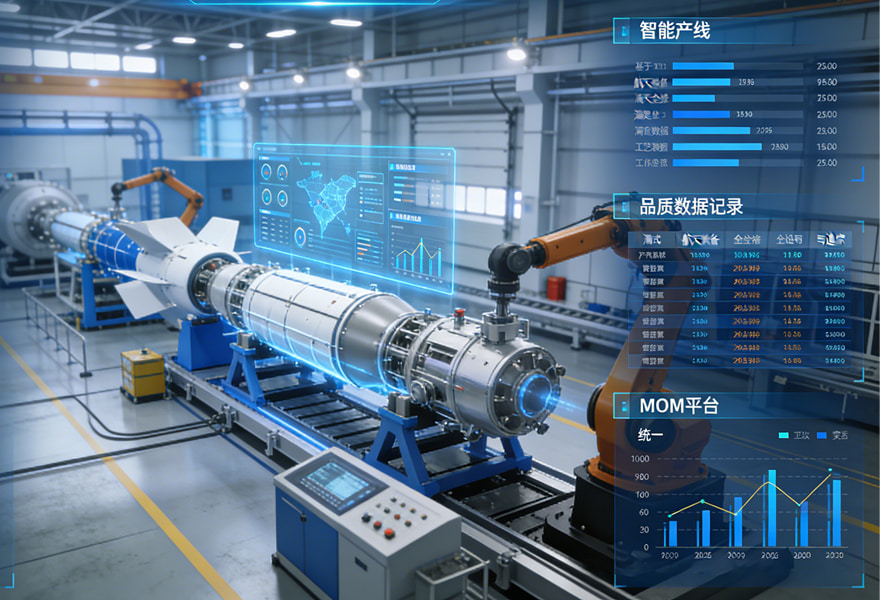
1.Standardizes inspection cards based on platform modeling to regulate quality metrics. It automatically collects and calculates test data, achieving closed-loop control from testing to quality determination and filling quality management loopholes.
2.Real-time integration of the quality system and testing equipment enables automatic data uploading and analysis, synchronizing on-site quality control to achieve precise, full-process quality traceability.
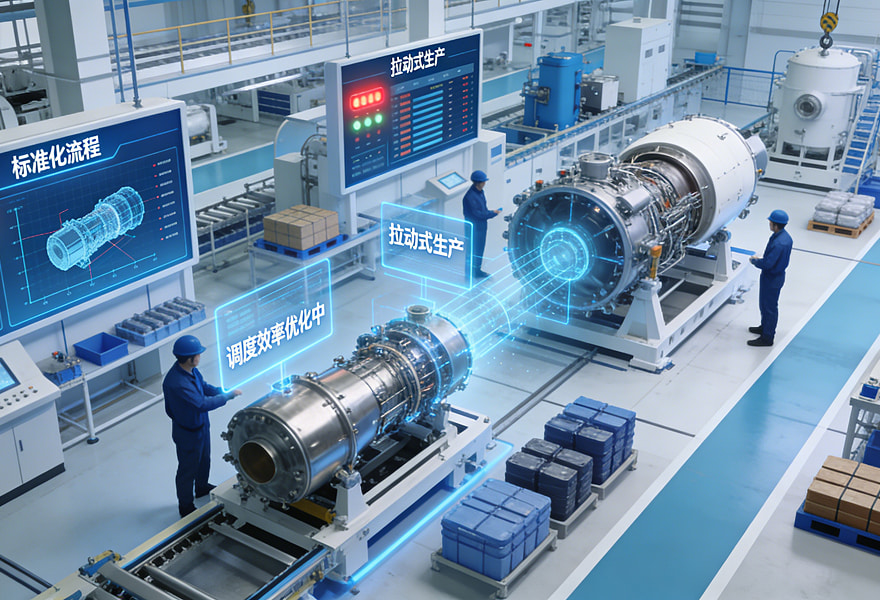
1.Comprehensively analyzes full-process quality data to refine quality targets down to the department/section level. It displays progress in real-time and monitors deviations to support timely adjustments.
2.Builds a quality data statistical analysis module to integrate full-link data across incoming materials, testing, and production, providing data support for quality improvement and decision-making.
Uniformly imports test equipment acquisition results and other test results to automatically generate integrated documents, which form the final product inspection report after sign-off. This achieves data integration between the inspection reports and the State Grid EIP platform, meeting the data reporting and traceability requirements of the power industry.